

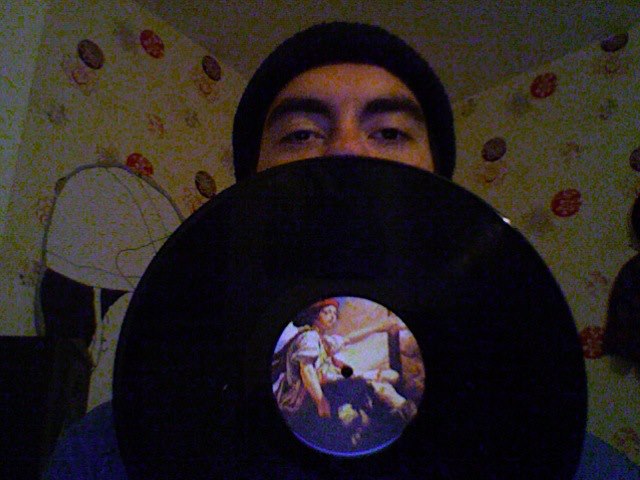
Mercoledi vi abbiamo fatto ascoltare il Tsinoshi DJ Podcast #10 firmato Orson Wells, giovanissimo dj e produttore tedesco che, a dispetto dei suoi 22 anni, può già vantare uscite di un certo spessore (come quella sulla leggendaria House Label Chiwax) oltre che la pubblicazione di “Never Lonely No More”, ep 4 tracce uscito qualche tempo fa su Live at Robert Johnson che noi di Tsinoshi Bar abbiamo recensito per voi.
Due giradischi, una manciata di vinili e tanta fantasia concentrati in poco meno di un’ora di mixato in cui Lennard Poschmann aka Orson Wells mostra l’ampiezza del suo background, in bilico tra old classic house ed Acid, con la semplicità e la precisione di chi, insolente d’età, mostra già una certa maturità artistica.
Questa maturità artistica, questo spessore e questa aura da “enfant prodige” che lentamente si sa creando intorno a Lennard farebbe presupporre, visto i tempi, ad un personaggio spocchioso, presuntuoso, pieno di sè. Invece no, Lennard è tutto il contrario. Basta vedere il modo in cui siamo entrati in contatto, noi di tsinoshi bar, con lui, per capire che tipo di persona realmente è.
Come, volete sapere? semplice: ha letto la recensione, è rimasto colpito, gli abbiamo chiesto l’intervista e lui ha voluto farci il podcast. Semplice, diretto, senza fronzoli, come si fa tra amici. Come si fa tra appassionati di musica.
Abbiamo parlato quasi di tutto: del suo passato, del suo background, del lavoro in studio e dell’approccio al mixing. Leggetela perchè merita davvero.
Come sempre, premete play nel lettore del podcast e…buon viaggio!
Tsinoshi Dj Podcast #10: Orson Wells (Chiwax / Live at Robert Johnson - Germany) by Tsinoshi Bar Official on Mixcloud
\\\\\ Ciao Orson, benvenuto a Tsinoshi Bar cominciamo presentadoti.
Ciao a tutti mi chiamo Lennard Poschmann. Sono nato e cresciuto a Frankfurt am Main in Germania e ho da poco compiuto 22 anni.
\\\\\ Quando e quale è stato il tuo primo approccio con la musica?
Non saprei dirti una data precisa, sono nato in una famiglia in cui si ascoltava molta musica. Mi ricordo quando avevo 6 o 7 anni e mio padre mi faceva ascoltare dai Metallica a Verdi, di cui sono molto appassionato. Crescendo mi sono interessato all’Hip Hop al Metal al Rock al Blues al Jazz. Ho anche imparato a suonare la viola e la chitarra, ho suonato in diverse band e in orchestra.
\\\\\ A che età hai cominciato ad appassionarti alla musica electronica e qual’è stato il primo artista a incuriosirti?
Inizialmente non riuscivo ad appassionarmi molto alla musica elettronica, la trovavo monotona e ripetitiva. Circa 3 anni fa un amico mi ha passato un CD ricevuto da un amico Dj e all’interno di questo disco c’era una traccia che non riuscivo a smettere di ascoltare, ne adoravo tutto dalle batterie alla linea di basso ma non conoscevo ne il produttore ne il titolo. Decisi di informarmi e cominciare la mia ricerca da Mr. Fingers, “Can you feel it” e “Beyond the Clouds” etc..Successivamente ho scoperto che la traccia era ”It’s what we Do” di Donnacha Costello remixata da Kink e Neville Watson; da li a un anno ho cominciato a produrre musica house.
\\\\\ Orson Wells e Mystic Mirror, due AKA different due stili differenti tu ti consider più dj o più produttore?
Non saprei scegliere, quando produco produttore quando suono DJ!
\\\\\ Parliamo della tua discografia. Noi ti abbiamo conosciuto come Orson Wells grazie alla tua release per Live at Robert Johnson, ma la prima uscita con l’aka Mystic Mirrow “Night life Autobahn” fu su un’etichetta italiana chiamata J.A.M Traxx. Raccontaci un pò di questo various artist e di come è nato.
Entrai in contatto con Tiger Mask, l’owner dell’etichetta. Lui mi chiese espressamente una traccia per la sua label, una notte sono tornato dal Club e ho cominciato “Nightlife Autobahn”, il giorno dopo mi sono svegliato e la traccia era finita. non saprei dirti bene cosa ho fatto ero molto ubriaco e mi ricordo poco. Mi è piaciuta fin da subito e l’ho passata a J.A.M Traxx.
\\\\\ Quindi è il turno di “Frankfurt Tracks” uscito sulla leggenadaria label Chiwax con Emil Seidel. Qui vediamo Orson Wells muovere le mani su macchine analogiche,
Non dimenticarti Benjamin Milz, anche lui ha contribuito alla release! Beh, macchine…era il periodo, quello, in cui non usavo ancora le macchine, era tutto digitale. Credo sia stata l’ultima traccia da me prodotta con Reason. “Feel the dance” è stata la prima prodotta con Ableton.
\\\\\ Parlando di macchine analogiche e di strumentazione digitale, qual è stato il tuo primo set up per la produzione e cosa pensi della relazione tra i due supporti.
Personalmente preferisco lavorare con macchine analogiche perché mi trovo meglio, è semplicemente meraviglioso anche solo guardarle. Trovo che nn ci sia nulla di meglio che mettere le mani su questi strumenti e stritolarne i Knobs. La sensazione che mi da l’analogico non riesco a riceverla dallo schermo di un computer. Non mi dispiace utilizzare qualche strumento digitale ma per la registrazione preferisco rimanere sull’analogico in modo da non perdere molto del suono. La prima strumentazione che ho comprato è stata la Roland TR-707 e successivamente un Synth.
\\\\\ Qual’è il device o la macchina che ti piace di più? e com’è il tuo studio set up?
L’ultimo grande amore è il mio Juno 106,in studio ho anche la 707 JX3P, Alpha Juno-1, D50, x0xb0x, Casio RZ-1, un registratore a 4-canali e Ableton.
\\\\\ Tornando alla tua discografia, abbiamo avuto il piacere di recensire il tuo album “Never Lonely No More EP” uscito su Live at Robert Johnson.Senza dubbio un bellissimo disco.Raccontaci come è nato quest’Ep e descrivici il “fil rouge” tra Orson Wells e Robert Johnson.
Sono 4 tracce prodotte durante il periodo di un anno. Conobbi Oliver Hafenbauer da “Tactile”, il negozio dove compro i miei dischi. Il proprietario decise di farmi suonare alla festa del negozio al Robert Johnson, e disse a Oliver di ascoltare le mie tracce. Fortunatamente gli piacquero.Mi chiese una traccia per “Lifesaver Compilation” e successivamente gli mandai una mia demo con qualche traccia e decidemmo di fare un Ep.
\\\\\ Parlando del tuo Podcast su Tsinoshi, ci piacerebbe sapere quando l’hai registrato e come selezioni i tuoi dischi.
Mi piace mixare molto, solitamente non tengo un disco più di 40 secondi.Amo farlo cosi, one shot, non mi interesso molto di come viene il mix perché sinceramente mi piace che si capisca che c’è una persona che sta mixando. Ho registrato il podcast per voi il 24 Settembre alle 8 am della mattina in cameretta con i miei due Technics. Spero vi piaccia!
\\\\\ Dicci 3 dischi che ti piacciono molto al momento.
Al momento l’ultimo album di Charles Manier si Nation è una BOMBA, l’ascolto sempre. “Acid Alcohol”, la traccia di Generation Next su 7 Day Ent.,è incredibile! Per finire Shadowlust uscito su L.I.E.S.!
\\\\\ Progetti per il futuro Releases? Date?
A breve uscirà un remix che ho fatto per Frank Music, con Phillip Lauer, Fred P e Moomin. A parte questo ci dovrebbe essere una nuova uscita su J.A.M Traxx, ho cominciato molti progetti e a breve comincerò a mandare dei Demo.
\\\\\ Ultima domanda di rito che facciamo a tutti i nostri Podcast Guests,: dicci 5 dischi che consideri estremamente importanti per la tua crescita artistica
“Ammnesia” di Mr. Fingers.
“Memorial” di Django Reinhardt.
“Another Side” dei Fingers Inc.
“Experience Hendrix” ovviamente di Jimi Hendrix.
“In the Mode for Love E.P.” di Steve Summers.
English Version:
\\\\\ Hi Orson, welcome to Tsinoshi Bar. Let’s start from Beginning: present yourself.
Hey, my name is Lennard Poschmann. I was born and raised in Frankfurt am Main, Germany and I recently turned 22.
\\\\\ When and How was your first contact with music?
I couldn’t name an exact time but I always listended to a lot of music because my parents did. I remember my dad showing me songs from Metallica to operas from Verdi which he listened to a lot. I was maybe 6 or 7. After that I went through a lot of intense phases: Hip Hop, Metal, Rock, Blues, Jazz. I also learned to play double string bass and guitar and played in a few bands and orchestra.
\\\\\ When did u discover electronic music? Which artists have you discover first “researching” on electronic music?
I the beginning I never really liked electronic music because I only came in contact with the in my personal opinion boring stuff. I think it was 3 years ago I got a CD from a friend who got it from a DJ friend and there was one track on it that I couldn’t stop listening to because it was totally different. I loved everything about it: the drums, the bassline, the rhythm but I didn’t know the artist name or the title. I wanted to get more of this style of music so I started searching and came across Mr. Fingers and “Can you feel it” and “Beyond the Clouds” etc.. Later I found out that the track on the CD was a remix from Kink & Neville Watson for Donnacha Costello called “It’s what we Do”. A year later I was so into it I started buying records and did my first attempts to make a house track.
\\\\\ Orson Wells and Mystic Mirror: different moniker, different styles. But let Us know: do you consider yourself mostly a dj or a producer?
I like both a lot. I couldn’t decide. When I produce I’m a producer and when I’m playing records I’m a DJ.
\\\\\ Let’s talk about your discography. We know Orson Wells because of you release on Live at Robert Johnson, but the first was Mystic Mirror with “Night Life Autobahn”, on the italian label J.A.M Traxx. Tell us something about that various and how that record was born.
I got in contact with Tiger Mask who’s the label head and a very cool guy! He said he wanted me to do a track for his label. One night I got home from a club, started “Nightlife Autobahn” and woke up the next morning with the track finished. I just can’t remember what I did because I drank way too much that evening. He liked it immediately and signed it to J.A.M Traxx.
\\\\\ Then it’s the turn of “Frankfurt Tracks” on the legendary label Chiwax with Emil Seidel. Here’s Orson Wells to move hands on devices and machines….
And don’t forget Benjamin Milz! He also contributed a Track on the record. Well machines…that was the time when I didn’t have any machines. All digital…”Credo” was the last track I did with Reason and “Feel the Dance” the first with Ableton.
\\\\\ …devices and machines, we said…so…How was your first production set up? What do u think about the “relationship” between analog and digital stuffs in electronic music production?
Personally I prefer working with analog equipment because I like the handling more and I just love the looks of these machines. To me there’s nothing more inspiring than to have the actual instrument in front of me and to get my hands on it, twist some knobs. The machine gives me a lot more than just staring at a screen the whole time making sounds with VST’s. I don’t mind using digital stuff for small things as long as I record it through a tape recorder or something because this will shape the sound a lot. I started buying gear about a year ago. First on the list was the Roland TR-707 and then from time to time a new Synth.
\\\\\ Which is the device / machine you love mostly? how is your studio setup at the moment?
At the moment it’s definately my Juno 106. Other than that the 707, JX3P, Alpha Juno-1, D50, x0xb0x, Casio RZ-1, a Tape 4-Track recorder and Ableton.
\\\\\ Returning on you discography, we had the pleasure to review your “Never Lonely No More EP” on Live at Robert Johnson. No question that is an incredible release! Tell Us how this EP was born and describe the “fil rouge” between Orson Wells and Robert Johnson.
The 4 tracks were made over a one year period. I got in contact with Oliver Hafenbauer over “Tactile” the shop in Frankfurt where I buy my records at. The owner wanted me to play at his 2 years of Tactile party which was in Robert Johnson so he told Oliver to listen to some of my tracks I had online and he liked them. Later he asked me for a track for the “Lifesaver Compilation” and after that I just sent him a demo with some tracks an he picked out those four and said “let’s do a release”.
\\\\\ Talking about your Tsinoshi Dj Podcast, we’d love to have a description of your work: how did u select records, when and where did u record it…
I like to do mixes by just taking 40 records or so and then just start to “jam”. I do it in one take no matter how the mixing is because I actually like to hear a person mix, where he had difficutlies etc.. And then it’s finished. I recorded this one on September 24th at 8 am in my room on my 2 Technics. I hope you enjoy!
\\\\\ Talking about Records, Dj set and “Digging”, tell us 3 artists which u appreciate at the moment!
The new Album from Charles Manier on Nation is a BOMB! I listen to it all the time! Generation Next’s track “Acid Alcohol” on 7 Day Ent., oh yeah. Shadowlust out on L.I.E.S., meaaaan!
\\\\\ …planning for future? Releases? Gigs?
There’s a remix I did for Frank Music that’s coming out very soon. It’s with Phillip Lauer, Fred P and Moomin. Other than that there should be a new J.A.M Traxx coming some time. That’s it so far. I’m sitting on a lot of tracks so I want to start sending out some demos. There are some gigs coming up I’m looking forward to play with Andreas Gehm, Benjamin Milz and Emil Seidel in October.
\\\\\ Last Question. We do this to all our Podcast Guests: please tell us 5 Records that u consider extremely important for your life and your artistically growing.
“Ammnesia” by Mr. Fingers
“Memorial” by Django Reinhardt
“Another Side” by Fingers Inc.
“Experience Hendrix” by Jimi Hendrix
“In the Mode for Love E.P.” by Steve Summers
